Column · @moldcare522
Water Damage Cleanup Central Florida: The First Things to Do After a Leak, Overflow, or Flood
Water has a way of changing the mood of a house in minutes. A small supply-line leak can soak cabinets before anyone notices. A washing machine overflow can move from tile to baseboards to drywall faster than most people expect. A summer storm can push rain where it does not belong, and in Central Florida, that risk always feels a little more real because heat, humidity, and hurricane season work against you.
The first stretch after water damage matters more than people think. Not because every stain becomes a catastrophe, but because moisture lingers in hidden places, and once it does, the cleanup gets more expensive, more disruptive, and much harder to fully finish. In this region, where humid summers and heavy rain are part of life, water damage cleanup Central Florida is never just about drying what you can see. It is about protecting the parts you cannot.
Start with safety before you touch anything
When people walk into a wet kitchen, hallway, or garage, the natural instinct is to grab towels, a shop vacuum, or a fan. Sometimes that is fine. Sometimes it is exactly the wrong first move.
Flood and storm guidance consistently puts safety first, and for good reason. If water has reached outlets, appliances, or wiring, there may be an electrical hazard. If the source is storm flooding or a sewage backup, contamination is part of the problem, not an afterthought. After a major event, reentry itself should be handled carefully, especially when there is standing water, damaged materials, or the possibility of utilities being affected.
The first goal is simple: make sure the space is safe enough to enter and safe enough to stay in while decisions are being made. If there is any doubt about electrical safety, a contaminated flood, or structural damage from a storm or fallen tree, it is time to slow down and treat the situation as an emergency rather than a cleaning project.
A lot of homeowners lose time because they focus on saving rugs, furniture, or boxes first. That is understandable, but it is backward. Safety comes before salvage. You can replace a side table. You do not want someone getting shocked in a wet laundry room.
The first hour: what actually helps
The first hour after a leak or overflow is often the most productive window, especially if the water is clean and the affected area is limited. If the situation is larger, or if the water is contaminated, the priority shifts from cleanup to containment and getting the right help in place.
Here is the short version of what to do right away:
- Stop the water source if you can do it safely.
- Keep people and pets away from the affected area.
- Shut off power to wet areas if there is any electrical risk and it is safe to do so.
- Take clear photos and video before moving too much.
- Call your insurer and, if needed, emergency restoration services.
That sequence prevents two common mistakes. First, people start cleaning before they document anything. Second, they assume all water events are basically the same. They are not. A clean sink overflow is one thing. Sewage cleanup is something else entirely, with real health concerns and a very different level of protective handling.
If food has been exposed to floodwater or storm water, public health guidance is blunt about it: throw it away. It is not worth guessing. The same kind of caution applies to anything porous that has been soaked by contaminated water.
Not all water damage is equal
One of the hardest parts of recovery is understanding what kind of event you are actually dealing with. People tend to use one word, flood, for everything. In practice, a pinhole plumbing leak, a roof leak after wind-driven rain, a dishwasher overflow, and outdoor floodwater coming indoors all create different problems.
Clean water from a supply line may allow for a more straightforward drying process if it is addressed quickly. Water from a roof leak can move unpredictably through insulation, ceilings, wall cavities, and flooring. Storm or floodwater raises contamination concerns from the start. A toilet overflow might be manageable in one bathroom if caught early, but a true sewage backup is a health issue, not a DIY weekend task.
This is also where experience matters. The visible water line on a wall rarely tells the whole story. Moisture can travel under flooring, inside trim, behind cabinets, and through shared wall cavities. In Central Florida homes, where indoor humidity is already a factor for much of the year, wet materials do not get the benefit of naturally dry air. They often stay damp longer than homeowners realize.
Why Central Florida homes can turn a small leak into a larger problem
Anyone who has lived through a Florida summer knows the feeling of walking outside and immediately noticing the moisture in the air. That same climate makes indoor drying more complicated. Verified state guidance is clear that mold grows when moisture is present, and common sources include roof leaks, plumbing leaks, condensation, flooding, poor bathroom or kitchen ventilation, and HVAC or drain-pan problems.
That last point gets overlooked all the time. People think of mold as something that happens after a dramatic event, but a slow, repeated moisture issue can be just as damaging. If a central AC system is being used to lower indoor humidity below 60 percent, Florida health guidance says the system should be examined for problems. That matters because homeowners sometimes assume the air conditioner will solve everything after a leak. It helps, but it is not magic. If the system has drainage issues, airflow issues, or hidden moisture around components, it may be part of the problem.
I have seen homeowners dry the floor, repaint the ceiling stain, run the AC harder, and feel relieved for a month or two. Then the smell comes back. Or the stain darkens again. Or the supply vent near the affected area starts showing spotting. Visible mold or recurring mold usually means the moisture source still has not been fixed. Drying and deodorizing without correcting the cause is just a pause button.
Documentation is not busywork
When people hear “document the damage,” they often think that means taking a few quick photos for insurance and moving on. It is more important than that, especially after storm, flood, smoke, or fire events. FEMA recovery guidance emphasizes documenting damage and coordinating with your insurer during cleanup and repairs. Consumer insurance guidance also reminds homeowners that the policy is a legal contract, which go to site means details matter.
Good documentation tells the story of what happened before items are moved, discarded, or cut out. Wide shots show the room. Close-up photos show water lines, swelling, stains, and damage to contents. Short videos can capture active dripping, warped flooring, or standing water in a way still photos sometimes miss.
This is especially important if a leak traveled from one room to another or if multiple systems were affected. For example, a second-floor plumbing leak might damage drywall downstairs, flooring upstairs, insulation between levels, and contents in both spaces. Once demolition starts, some of that trail becomes harder to prove.
If you end up working with a remediation company Lake County, having those early images often helps everyone stay aligned, from the adjuster to the contractor to the restoration crew.
The hidden risk after the visible water is gone
People usually relax when the puddles are gone. That is understandable, but often premature. Surface dryness and actual dryness are not the same thing.
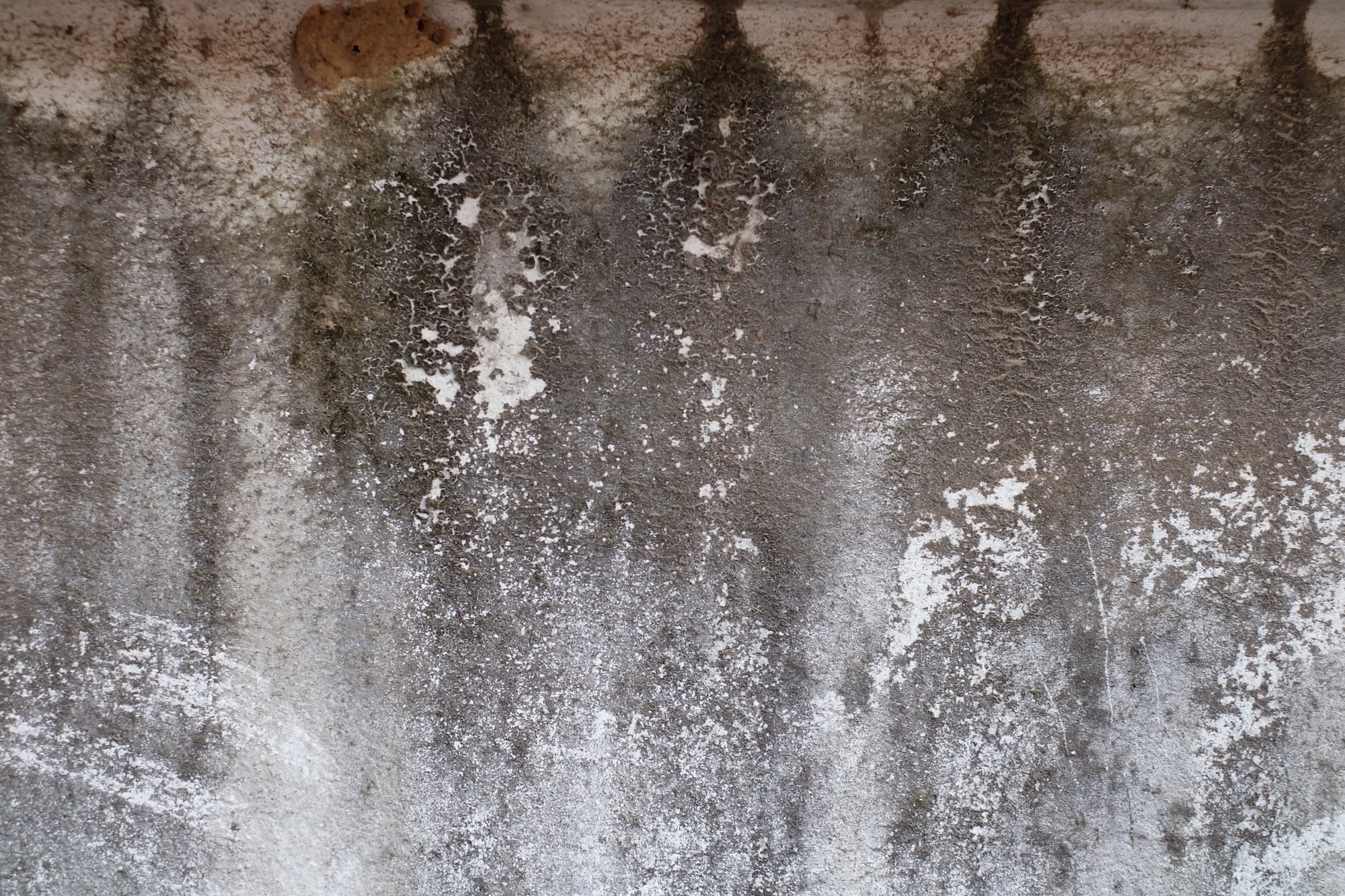
Drywall can wick water upward. Engineered flooring can trap moisture underneath. Cabinet toe-kicks, insulation, wall cavities, and subfloors can stay damp while the room looks almost normal. In a humid climate, that trapped moisture can support mold growth if the underlying source is not solved and the affected materials are not properly dried or removed when necessary.
This is where mold removal Groveland and HVAC mold remediation enter the conversation, sometimes sooner than homeowners expect. If the leak occurred near air returns, duct runs, or air handlers, moisture and microbial growth concerns can spread beyond the original room. Florida health guidance already flags HVAC and drain-pan problems as common moisture sources. Once water and airflow interact, the cleanup may need a broader scope than the homeowner first assumed.
And then there is odor. Odor removal is not just about making a room smell better. Odors often signal that moisture remains, that contamination is present, or that materials have absorbed more than they can safely keep. A room that smells musty a week after “drying out” is telling you something.
When you should stop doing it yourself
There is a place for basic homeowner action. A minor clean-water spill that is discovered immediately can sometimes be handled with prompt drying and careful observation. But there are clear moments when a professional response becomes the safer and smarter choice.
Use this rule of thumb if you are deciding whether to bring in help:
- If the water is from sewage, storm flooding, or another contaminated source, treat it as a professional cleanup.
- If water reached walls, ceilings, insulation, cabinets, or flooring systems, assume hidden moisture may exist.
- If the area still smells damp or musty after cleanup, the moisture problem may not be resolved.
- If mold is visible or keeps returning, the source of moisture still needs to be fixed.
- If the damage followed a storm, hurricane, or fire event, coordinate early with your insurer and restoration professionals.
That is where emergency restoration services earn their keep. The value is not just speed, though speed matters. It is judgment. Knowing when materials can be dried in place, when they cannot, how to isolate contaminated areas, and how to sequence cleanup so one problem does not create another.
For example, after hurricane damage restoration Florida projects, people are often dealing with a mix of roof leaks, blown rain intrusion, wet contents, and elevated humidity all at once. That is a very different situation than a single overflowing tub. The cleanup approach should reflect that.
Older homes need one more layer of caution
If the home was built before 1978, there is another issue that often gets missed in the rush to open walls and remove damaged finishes. EPA guidance says older homes may contain lead-based paint, and renovation, repair, or painting can disturb hazardous materials. Separate EPA asbestos guidance also makes clear that demolition or renovation work involving asbestos-containing materials has to be handled under applicable rules.
That matters after water damage because the repair phase frequently turns into a selective demolition phase. Wet drywall, old texture, flooring mastics, pipe insulation, or other materials may need to be disturbed. In some properties, especially older ones, testing becomes part of responsible planning before work moves ahead aggressively.
In this area, terms like Groveland FL asbestos testing and asbestos abatement Lake County are not just search phrases people type in after a bad day. They describe real services that can become necessary when a leak or flood opens up older building materials. It is much better to ask those questions early than after debris has already been spread through the house.
Florida also handles mold assessor and mold remediator licensure through the Department of Business and Professional Regulation. For homeowners, the practical point is straightforward: if the job has moved beyond simple drying, qualifications matter.
HVAC systems deserve a closer look after water events
A lot of post-loss frustration comes from one overlooked system, the HVAC. People clean the room, replace some drywall, maybe even paint, and then wonder why the house still smells off whenever the AC kicks on.
Moisture issues around HVAC equipment can feed mold growth, and state guidance specifically calls out HVAC and drain-pan problems as common moisture sources. If your AC has been working hard to keep indoor humidity down, that does not rule out a system issue. In fact, Florida guidance says that if a central AC system is being used to lower humidity below 60 percent, it should be examined for problems.
That is why HVAC mold remediation is often part of a larger water-loss conversation. Not in every case, and not by default, but often enough that it deserves attention. Water near return ducts, wet filter areas, damaged insulation, or repeated condensate issues can keep a cleanup job from ever feeling finished.
One practical sign is when odors are faint when the system is off and stronger when air starts circulating. Another is when one room repeatedly feels clammy compared with the rest of the house after a leak nearby. Those clues do not diagnose the whole problem, but they are worth taking seriously.
Storms, sewage, smoke, and the overlap people do not expect
Most homeowners think in separate categories. Water damage. Fire damage. Mold. Sewage. In real losses, the categories often overlap.
A hurricane can break windows, drive rain into walls, disrupt power, and leave indoor humidity high for days. A kitchen fire can be followed by water used to suppress it, then by smoke odor migrating into soft materials. A sewage backup can saturate flooring and drywall while also creating an immediate sanitation problem.
That is why terms like fire and smoke damage cleanup, sewage cleanup, and odor removal often show up alongside water-loss work. The event itself may start with one cause, but recovery rarely stays in one lane. The first 24 hours after a home fire are especially important for safety, salvage decisions, and insurance steps, according to federal fire guidance. After floods, CDC and FEMA guidance focus on contamination risks, utilities, and safe reentry. The logic is similar in both cases: do not rush past the hazard assessment just because you want the house to feel normal again.

One detail worth repeating is the generator issue after storms. People are understandably eager to power fans, refrigerators, or pumps, but flood safety guidance warns about fire and carbon monoxide risks with generators. Good intentions can create a second emergency.
What a steady recovery usually looks like
The recovery process is rarely glamorous. It is practical, a little repetitive, and often emotional. First comes stabilization, stopping active water, isolating hazards, documenting damage. Then comes assessment, deciding what is wet, what is contaminated, what might dry, and what may need removal. Then comes the slower part, drying, cleaning, monitoring, and making repair decisions with the insurer and contractors.
What tends to separate smoother recoveries from messy ones is not luck as much as pacing. People who do better usually resist the urge to skip steps. They do not assume a stain is cosmetic until the source is understood. They do not trust a fan and an open window to solve a wall cavity problem in July. They ask questions about coverage because insurance is a contract, and unclear assumptions cause headaches later. They keep records. They notice odors. They pay attention to the HVAC system. If the home is older, they pause before demolition and think about lead and asbestos implications.
That does not mean every leak becomes a giant project. Many do not. But the early decisions still shape the outcome.
What homeowners in Groveland and Lake County should keep in mind
Groveland sits in Lake County, where humid weather, heavy rain, and hurricane season create the kind of conditions that can turn a manageable leak into an ongoing moisture issue if the response is incomplete. For local property owners, that means the words after the cleanup matter as much as the words during the cleanup.
If the moisture source was plumbing, it has to be repaired. If the source was roof-related, that path for water intrusion has to be closed. If mold is visible or keeps coming back, the problem is not solved yet. If the home is older and materials need to be opened up, testing may need to be part of the plan. If contamination is involved, especially with sewage cleanup or floodwater, disposal and isolation are not optional details.
That is why homeowners often start by searching broad terms like water damage cleanup Central Florida and then narrow quickly into the real issue, whether that is mold removal Groveland, Groveland FL asbestos testing, asbestos abatement Lake County, hurricane damage restoration Florida, or a full emergency restoration services response from a remediation company Lake County.
The right next step depends on what happened. The wrong next step is pretending all water damage is simple because the floor looks dry.
A final practical note on timing
If there is one habit that consistently makes these jobs worse, it is waiting for certainty. People wait to see if the ceiling dries evenly. They wait to see if the smell goes away. They wait to call because they are hoping it will stay small.
Sometimes it does. Often it does not.
Moisture problems tend to become clearer, not kinder, with time. In Central Florida, warm air and humidity do not give wet materials much grace. Acting early does not mean overreacting. It means protecting the house while the problem is still smaller, the documentation is still fresh, and the cleanup options are still wider.
When a leak, overflow, or flood hits, the first things to do are not complicated. Make it safe. Stop the source if you can. Document what you see. Respect contamination risks. Coordinate with your insurer. And if the damage goes beyond a simple, clean spill, get qualified help before hidden moisture turns one bad day into a much longer repair.