Column · @moldcare522
When Renovation May Disturb Asbestos: What Lake, Orange, Seminole, and Osceola Owners Should Know
If you own a home, rental, office, or light commercial building in Lake, Orange, Seminole, or Osceola County, renovation can uncover more than old wiring and outdated finishes. It can also disturb asbestos-containing materials that have sat quietly for decades until a wall comes open, a floor comes up, or a damaged ceiling gets pulled down.
That matters here for two reasons. First, older building materials can still be present in Central Florida properties. Second, these four counties are commonly discussed together for asbestos oversight because they fall within Florida DEP’s Central District asbestos program. When work may disturb suspect materials, the concern is not just what the material is, but whether fibers could be released during cutting, scraping, demolition, handling, or disposal.
I have seen owners get tripped up by one basic assumption: if a material looks intact, they treat it like any other part of the job. Then a bathroom remodel turns into a contamination concern because old backing, pipe wrap, ceiling material, or flooring was broken apart before anyone paused to ask what it was. Once that happens, the project gets more expensive, more stressful, and slower than it needed to be.

The safer mindset is simple. If renovation may disturb a suspect material, stop guessing and treat the question seriously.
Why renovation changes the risk
Asbestos is especially tricky because it is often tied to disturbance. A material can sit in place for years without drawing attention, then become a problem the moment a contractor sands, drills, cuts, tears out, or breaks it. EPA guidance for remodeling points directly to this issue and notes that asbestos may be found in older homes and buildings, including in materials such as floor tile, ceiling tile, pipe wrap, siding, or shingles.
That list should sound familiar to anyone who has walked an older Florida property. Maybe it is a utility room with aging wrap on piping. Maybe it is a small office with old ceiling tile above a dated grid. Maybe it is a rental house with layers of flooring in a back bedroom. These are not dramatic discoveries. They are ordinary renovation realities.
The point is not that every older material contains asbestos. It does not. The point is that appearance alone is not enough, and renovation is exactly when hidden materials get disturbed.
A property owner in Groveland planning a kitchen update may hear the phrase asbestos abatement Groveland FL and assume it applies only to large commercial jobs. In practice, the issue can come up in smaller residential work too, especially where demolition touches original materials. The same is true in Orlando, Sanford, Kissimmee, Clermont, or Winter Garden. The zip code changes, but the decision-making challenge does not.
The materials that deserve a second look
You do not need to become an inspector overnight, but it helps to know what categories tend to raise questions during remodeling. EPA specifically identifies several examples that may contain asbestos in older homes and buildings.
- floor tile
- ceiling tile
- pipe wrap
- siding
- shingles
That short list covers a surprising amount of real-world renovation work. Floor replacement, kitchen demo, roof repairs, soffit or exterior work, utility room upgrades, and ceiling access for mechanical changes can all disturb materials in these categories. Even a small leak repair can cross into asbestos territory if it requires tearing out damaged sections rather than making a surface-level fix.
This is where many projects become messy. Water damage restoration Central Florida crews may be called after a leak or storm event, and the immediate focus is usually drying, not historical building materials. But if the loss affects older flooring, wall assemblies, or utility areas, the drying and demolition plan needs to account for possible asbestos concerns before damaged materials are pulled apart.
Damage can force the issue before a remodel even starts
Owners often think about asbestos only when they choose to renovate. In real life, damage often makes the choice for them.
A pipe break under a slab, a roof leak after heavy weather, an appliance overflow, or a storm intrusion can turn a quiet material into a disturbed one fast. Florida health guidance is clear that mold is strongly linked to moisture, and standing water for even 24 hours can allow common molds to take hold. That means delays are risky. But rushing into tear-out without considering suspect materials can create a second problem while trying to solve the first.
This is common after storms. Storm damage restoration Florida work often starts with urgent stabilization, water extraction, and drying. In newer buildings, the conversation may stay focused on moisture. In older structures, especially those with original materials still in place, decisions around demolition need more caution. The urgency is real, but so is the need to avoid releasing asbestos fibers.
The same dynamic shows up after fire damage restoration work begins. A fire itself is one event. The demolition required to remove charred, heat-damaged, or smoke-damaged materials is another. If those materials are older and suspect, the cleanup plan may need to be more controlled than owners first expect. Fire, water, and age can overlap in complicated ways.
What owners should do before demolition starts
The best time to think about asbestos is before the first cut, not after dust is already in the air. EPA advises using a properly trained and accredited asbestos professional if material is damaged or if renovation could disturb it. That advice is plain for a reason. Owners are not expected to diagnose every material themselves.
A practical approach looks like this:
- pause planned demolition if older suspect materials will be disturbed
- ask whether damaged or original materials fall into categories that may contain asbestos
- bring in a properly trained and accredited asbestos professional when renovation or damage raises that possibility
- coordinate next steps before debris handling or disposal begins
- keep the work area as undisturbed as possible until you have a clear plan
That checklist is short, but it prevents a lot of expensive mistakes. In my experience, the worst outcomes usually begin with someone trying to save a day or two on the front end. A contractor removes a few square feet to “see what’s behind it,” or a maintenance person bags broken material without a clear process. Small shortcuts can create much bigger cleanup issues.
Central Florida properties bring a moisture problem with them
In Lake, Orange, Seminole, and Osceola counties, asbestos concerns often intersect with moisture concerns. That is just the nature of the climate and the building stock. Even if an asbestos issue starts the conversation, mold often enters it soon after because disturbed materials are frequently tied to leaks, intrusion, or humidity.
Florida health guidance recommends keeping indoor humidity below 60 percent. It also stresses prompt mold removal and notes that if mold comes back quickly, the underlying leak or moisture source should be fixed first. That may sound obvious, but many owners still spend money cleaning visible growth while ignoring the wet wall cavity, the sweating supply line, the roof detail, or the drainage problem driving it.
This matters during restoration. A proper response to water damage is not just removing what looks bad. It is drying the structure thoroughly and correcting the moisture source. CDC disaster guidance emphasizes that drying a home and removing water-damaged items is the most important step to prevent mold damage after flooding. In practical terms, that means a leak response cannot stop at mopping up.
For owners in Lake County especially, conversations that begin around mold remediation Lake County often reveal a bigger chain of events. A small leak led to damaged materials. The damaged materials turned out to be older than expected. Then the owner had to deal with both moisture management and possible asbestos concerns at the same time. That sequence is frustrating, but it is not unusual.
Where HVAC complicates everything
HVAC systems deserve their own section because they sit right at the intersection of humidity control, indoor air movement, and concealed contamination.
Florida health guidance says that if a central HVAC system needs a dehumidifier to get below 60 percent relative humidity, the air conditioning system should be examined for problems. That point gets overlooked all the time. Owners notice a musty smell, buy a dehumidifier, and assume the issue is solved because the bucket fills up each day. Sometimes that helps. Sometimes it only masks an air-conditioning or moisture-control problem that should be diagnosed.
The phrase HVAC mold is common because people often suspect the system first when odors spread through multiple rooms. Sometimes that suspicion is justified. Florida health guidance also notes that if HVAC may be contaminated with mold, homeowners should consult EPA guidance before taking further action. In other words, avoid improvised duct cleaning or random tear-out based on smell alone.
This is also where standards matter. IICRC publishes standards relevant to water damage restoration, mold remediation, HVAC assessment after water, fire, or mold damage, and fire and smoke damage restoration. When owners hear the term IICRC-certified remediation, what they are really hearing is a signal that the contractor works within established restoration frameworks rather than inventing the process on the fly.
That does not mean every project looks the same. A shallow condensate issue in one air handler closet is different from widespread contamination after a major flood or long-term roof leak. Judgment matters. But established standards help keep the response grounded, especially when multiple trades and insurance pressures are involved.
Odor is a clue, not a diagnosis
Owners often call first because of smell. Musty odor learn more after a leak, stale smoke odor after a kitchen fire, sour odor in an unoccupied rental, or a heavy smell after storm intrusion. Odor elimination is a common request, but it should be treated as part of the investigation, not the whole solution.
A smell can point toward mold, smoke damage, moisture trapped in materials, or contamination in contents or HVAC components. It does not tell you by itself whether suspect asbestos-containing material is present. That is why a smart restoration plan starts with what happened to the building and what materials were affected, not just what the air smells like today.
I have seen owners spend money on deodorizing while wet drywall sat behind cabinets. I have also seen smoke odor addressed while heat-damaged materials remained in place. The lesson is always the same: odor work should support source removal and proper restoration, not replace it.
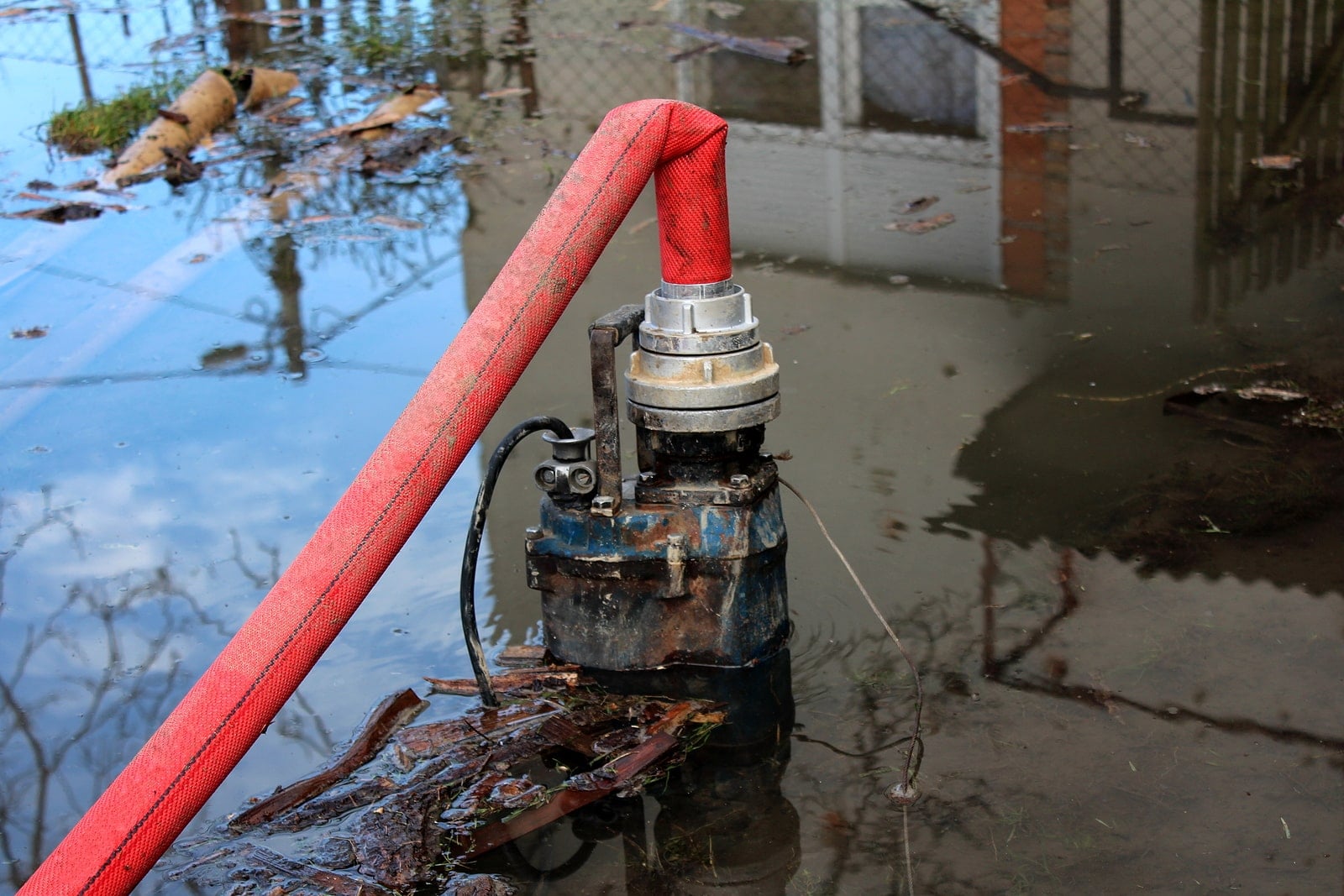
Storms, flooding, and the pressure to move fast
Central Florida weather does not always give owners time to plan. Wind-driven rain, localized flooding, and severe afternoon storms can force immediate action. After a storm, people usually want three things right away: someone to answer the phone, someone to stop further damage, and someone to tell them whether the property is safe to occupy.
That is where 24/7 emergency restoration becomes more than a marketing phrase. In a real emergency, timing matters. Water extraction, temporary protection, and drying setup cannot always wait for regular business hours. But emergency speed should not turn into careless demolition. The right approach is fast where it can be fast, and cautious where caution protects health and the project.
CDC and disaster cleanup guidance consistently emphasizes safe cleanup after storms, floodwater, and mold exposure. In practice, that means the first phase may be stabilization and moisture control, while questions about damaged suspect materials are handled deliberately. Fast action and careful action are not opposites. Good restoration teams do both.
When the job involves more than one kind of contamination
Not every project falls neatly into one box. Some sites involve water damage and mold. Others combine smoke, water, and odor. In a few cases, owners are also dealing with sewage events, trauma scenes, or other conditions that require biohazard cleanup. Those projects are harder because each issue has its own safety and handling concerns.
For the owner, the main takeaway is that complexity should slow down assumptions, not the response itself. A company may need to sequence the work differently depending on what happened first and what materials are affected. A burst pipe in an older building is not handled exactly like a simple clean-water spill in a newer home. A small contained kitchen fire is not approached the same way as a storm-damaged structure that sat wet for days.
What you want is a team that can explain the order of operations clearly. First control the immediate hazard. Then assess what materials are involved. Then dry, clean, remove, or remediate based on actual conditions. When owners hear conflicting advice, it is often because one person is talking only about moisture, another only about demolition, and no one is looking at the building as a system.
A realistic example from a common remodel
Picture a 1980s property in one of these counties undergoing a bathroom renovation. The plan seems routine: replace flooring, update the shower, repaint, maybe open one wall to move plumbing. Once demolition starts, the crew finds older floor material and damaged backing near the tub. There was also a slow leak the owner did not know about, so some areas are damp and there is a musty odor.
Now three concerns show up at once. Renovation may disturb suspect older material. Moisture has likely been present long enough to support mold growth. The odor is telling you something about hidden conditions, but not exactly what. If the crew keeps tearing out materials without pausing, the job may become harder to contain and more expensive to correct.
A better response is to stop, evaluate the suspect materials through the proper channel, and address the moisture source and drying needs in parallel. That may not feel convenient in the moment, but it is often the cleanest path overall. Owners who try to bulldoze through these warning signs usually pay for it later in delay, rework, or broader contamination concerns.
How to think about contractor conversations
When you start calling for help, listen for how the company frames the problem. If they talk only about demo speed and dumpster volume, that is incomplete. If they talk only about deodorizing, that is incomplete too. A serious restoration conversation should connect the event, the building materials, the moisture conditions, and the safety steps.
Ask simple, grounded questions. Does the planned work disturb older suspect materials? How will the moisture be addressed? What happens if mold is found after opening the area? If the HVAC has been pulling air through a damaged zone, how will that be assessed? If they use language around IICRC-certified remediation, ask what standards guide their water, mold, HVAC, or fire response. You do not need a lecture. You need clear thinking.

The strongest contractors usually explain uncertainty well. They do not promise outcomes before seeing the site, and they do not pretend every situation fits a canned script. A thoughtful answer sounds more like judgment than sales copy.
The big picture for owners in these four counties
Lake, Orange, Seminole, and Osceola owners are dealing with a combination that deserves respect: older materials in some buildings, year-round humidity pressure, frequent water intrusion events, and renovations that often expose hidden conditions. Florida DEP’s asbestos program exists to minimize the release of asbestos fibers during abatement, remediation, handling, and disposal of asbestos-containing materials. That goal is directly relevant to anyone planning renovation or responding to damage in this region.
The practical takeaway is straightforward. If a project may disturb suspect materials, do not treat it as ordinary demolition. If moisture is present, do not delay drying and source correction. If mold returns quickly, assume something is still wet or poorly controlled. If HVAC cannot hold indoor humidity below 60 percent without extra help, the system may need examination. And if a job blends water, fire, odor, mold, or biohazard cleanup concerns, insist on a coordinated plan rather than a patchwork response.
Good renovation and good restoration both start with the same habit: pay attention before you tear into the building. That one decision can spare you a great deal of avoidable trouble.
EnviroTech Solutions
15380 CR 565A Suite E
Groveland, FL 34736
Phone: 321-758-9787
Website: https://envirotechsolutionsfl.com
EnviroTech Solutions provides asbestos abatement, mold remediation, water damage restoration, fire damage restoration, biohazard cleanup, odor elimination and storm and disaster restoration across Central Florida. 24/7 emergency service is available.